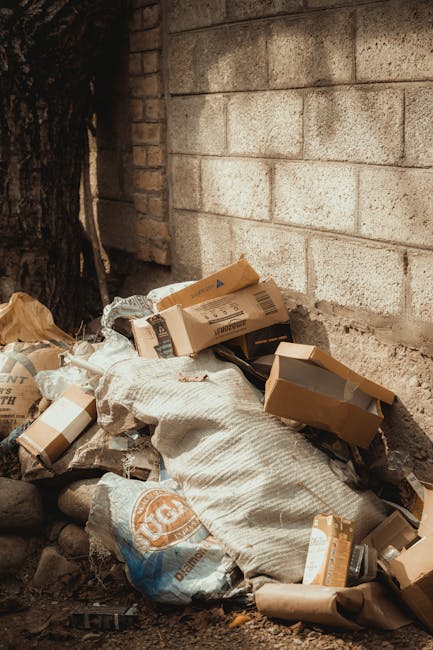
St Johns Wood NW8 street by street rubbish removal guide
If you live, work, or manage property in NW8, rubbish removal can feel oddly different from one road to the next. A quiet mews, a mansion block with tight access, a busy high street, or a residential terrace each brings its own little headaches. This St Johns Wood NW8 street by street rubbish removal guide is designed to help you plan smarter, avoid delays, and choose the right clearance approach for the street you are dealing with. In practice, that usually means thinking about access, parking, loading space, time windows, and what sort of waste you actually have. Not glamorous, but very real.
Whether you are clearing a flat, handling builders' debris, shifting old furniture, or sorting out a business premises, the best result usually comes from matching the service to the street. Let's face it, a rubbish job that looks simple on paper can become a nuisance if a large vehicle cannot stop outside, or if your building has awkward stairs and narrow hallways. This guide walks you through the local realities, the best methods, and the common pitfalls to avoid.
Table of Contents
- Why St Johns Wood NW8 street by street rubbish removal guide Matters
- How St Johns Wood NW8 street by street rubbish removal guide Works
- Key Benefits and Practical Advantages
- Who This Is For and When It Makes Sense
- Step-by-Step Guidance
- Expert Tips for Better Results
- Common Mistakes to Avoid
- Tools, Resources and Recommendations
- Law, Compliance, Standards, or Best Practice
- Options, Methods, or Comparison Table
- Case Study or Real-World Example
- Practical Checklist
- Conclusion
- Frequently Asked Questions
Why St Johns Wood NW8 street by street rubbish removal guide Matters
St Johns Wood is not one of those places where rubbish removal can be treated as a one-size-fits-all job. The area has a mix of elegant residential streets, mansion blocks, apartment buildings, local shops, offices, and properties that sit in awkward traffic or parking conditions. A collection plan that works perfectly on one road may be clumsy on the next. That is the whole point of a street by street approach: it helps you think in terms of the actual location rather than a generic postcode.
In NW8, small details can make a big difference. For example, a first-floor flat above a quiet parade may be easy to clear if there is straightforward access and a sensible loading point. A property tucked behind a narrow side road, though, may need a faster man-and-van style clearance or a more carefully timed visit. If you ignore those details, you can end up paying for wasted labour, extra waiting time, or a job that has to be rescheduled. No one wants that sort of faff on a Tuesday morning.
A street-focused guide also helps with decision-making. You can work out whether you need full-house clearance, flat clearance, office clearance, or something more specific like furniture disposal, builders' waste clearance, or garden clearance. That tends to save time and, in many cases, money too.
Expert summary: The smartest rubbish removal plan in St Johns Wood is rarely about the biggest truck or the cheapest headline price. It is about matching waste type, street access, and timing to the property you are actually dealing with.
How St Johns Wood NW8 street by street rubbish removal guide Works
The practical idea is simple: break the area down by street type and property type, then choose the most suitable removal method. A local clearance team will usually start by assessing the waste, checking access, and working out how close they can get to the property. That assessment might happen over the phone, through photos, or during an on-site visit, depending on the job.
Street by street planning matters because different roads create different obstacles. Some are easier for loading; others are more sensitive to parking restrictions, school runs, bin collections, delivery traffic, or residents who understandably do not want half a corridor blocked while a sofa is manoeuvred downstairs. You get the idea.
Here is the rough shape of how a good rubbish removal process should work in NW8:
- Identify the street and property type. Is it a flat, terrace, office, shop, mews property, or managed block?
- Confirm access and parking conditions. Can a vehicle stop outside, or will carrying distances be longer than expected?
- List the waste clearly. Mixed household junk, office furniture, appliances, rubble, or garden waste all require different handling.
- Choose the right service. That may be waste removal, house clearance, office clearance, or a specialised service like fridge and appliance removal.
- Agree a loading plan. Good teams think about stairs, lifts, entry codes, and whether items need to come through communal areas.
- Sort, load, and dispose responsibly. Reusable items, recyclables, and regulated waste should be separated properly where possible.
That is the core system. It sounds straightforward, and often it is. But the trick is in the prep. Truth be told, a few minutes of planning can prevent a lot of inconvenience later.
Key Benefits and Practical Advantages
A street-aware rubbish removal approach brings more than convenience. It improves the whole job from start to finish. The first obvious benefit is speed. If the team knows the road conditions and access pattern, they can arrive with the right size vehicle, the right number of people, and the right equipment. That means less standing around while everyone works out where the lift is or whether the van can park safely.
Another benefit is cost control. When collection is planned properly, you are less likely to pay for unproductive time or the wrong service. A flat in a building with no lift, for instance, may be better served by a quick-clearance approach rather than a longer, awkward process that drags on for hours.
There is also the stress factor. People often underestimate how draining clutter can feel until it starts blocking a hallway or taking over a spare room. Once the job is broken down into clear, street-specific steps, it becomes far less overwhelming. The room starts to look manageable again. The air feels lighter. Small thing, but it matters.
Other practical advantages include:
- better timing around parking or access constraints
- less risk of damage to walls, lifts, or stairwells
- clearer choices between clearance, disposal, and recycling routes
- more predictable outcomes for landlords, tenants, and agents
- easier handling of bulky items such as wardrobes, beds, and appliances
If your waste includes large furniture, it is worth reading about mattress and sofa disposal and furniture clearance. These are the sorts of jobs that can look simple until you are carrying a double mattress down three flights of stairs. Not ideal, honestly.
Who This Is For and When It Makes Sense
This guide is useful for anyone trying to clear waste in NW8 without guesswork. That includes homeowners, tenants, landlords, letting agents, property managers, small businesses, building contractors, and anyone dealing with inherited property or post-renovation mess. In our experience, the people who benefit most are the ones trying to balance urgency with practical constraints.
It especially makes sense when:
- you are in a flat with stairs, lifts, or strict building access rules
- you need to clear bulky items quickly before a move-in or handover
- you are dealing with builders' waste after a kitchen, bathroom, or office refit
- your business needs discreet, efficient clearance with minimal disruption
- you have mixed waste and are unsure what can go together
- you are comparing a bulky-item collection, a skip, or a full clearance service
A lot of readers also start with one thing and discover they need a broader service. For example, a "few bags and an old chair" can turn into a hallway full of surplus furniture, a broken fridge, and some boxes of paperwork. That is when a more complete service such as home clearance or house clearance can be the cleaner answer.
Business users in particular may need a more structured approach. If documents are involved, confidential shredding may be relevant alongside clearance. If there is a back office, stockroom, or workstation refresh, an office or business waste removal service can keep the process tidy and professional.
Step-by-Step Guidance
The best way to manage rubbish removal in St Johns Wood is to work from the street outward. Start with the location, then the access, then the waste itself. That order keeps you from making assumptions that later turn into delays.
- Map the exact property situation. Note the street, the floor level, whether there is a lift, and whether vehicles can stop nearby.
- Separate the waste into broad types. Household rubbish, furniture, appliances, garden waste, builders' rubble, and office waste should not all be treated the same.
- Remove obvious hazards first. Sharp edges, broken glass, heavy lifting risks, and anything leaking should be isolated.
- Measure the bulky items. Large wardrobes, bed frames, and desks can be awkward in narrow hallways. It is better to know before the team arrives.
- Check building rules. Some blocks require lift booking, advance notice, or specific loading times. Little details, big consequences.
- Ask how the waste will be handled. Reuse, recycling, and disposal should be discussed openly so you know what to expect.
- Choose a realistic time window. Mornings can be calmer on some roads, while school-run hours or delivery-heavy periods can be painful.
- Confirm payment and any extras before the job starts. That includes access issues, restricted items, or special handling needs.
Here is a very simple rule of thumb: if a job feels awkward to you before it starts, it will probably feel awkward on the day unless you plan for it. Better to say so early. No drama, just clarity.
For mixed household jobs, a flat clearance or loft clearance may be the right fit. If you are clearing out a basement, side return, or a tucked-away storage area, a broader garage clearance can sometimes cover the lot in one visit.
Expert Tips for Better Results
One of the simplest ways to improve results is to photograph the waste before booking. Wide shots, close-ups, and a quick picture of access points are often enough to give a clear picture. You do not need a polished inspection. Just be honest about what is there. That alone prevents most surprises.
Another useful tip is to think vertically, not just horizontally. In older flats and converted buildings, the issue is often not the room size but the route out of the room. Can the item turn in the hallway? Will it fit in the lift? Is the staircase tight at the landing? Those details are where jobs slow down.
Some practical habits that help:
- stack items by type if it is safe to do so
- keep walkways clear so loading is faster
- remove personal items from drawers and cabinets before collection
- disconnect appliances in advance where appropriate and safe
- label anything fragile or potentially hazardous
If you have bulky appliances, see whether appliance removal is a better fit than general waste removal. For worn-out sleeping furniture, mattress and sofa disposal can be the more practical choice. These targeted services often save bother because the team already knows what to expect.
Also, keep an eye on timing. A pickup at 8:00am on a quiet side street may be calm and easy. The same job at midday, with deliveries, cyclists, and neighbours coming and going, can feel a lot more chaotic. Not impossible, just more fiddly.
Common Mistakes to Avoid
People often make rubbish removal harder than it needs to be. The first big mistake is underestimating access. A van may be able to park nearby, but that does not mean the route from the property to the vehicle is simple. Carry distance matters. So does the number of flights. So does whether there is somewhere safe to pause during the lift.
Another mistake is mixing unrelated waste types. Builders' rubble, electrical items, garden waste, and household junk can all need different handling. If you book a general clearance and later reveal a pile of broken tiles or a damaged fridge, the team may need to adjust the plan. That is fair enough, but it can affect cost and timing.
Other common mistakes include:
- not measuring large items before booking
- forgetting about permit or building access restrictions
- leaving everything until the last minute before a move-out
- assuming all waste can simply be bundled together
- not checking whether valuable reusable items should be separated first
- choosing a service only on price and not on suitability
The "cheap and cheerful" route can be tempting, especially when a room is full and you want it gone yesterday. But if the provider is not set up for the local street conditions, that cheap quote can become less cheap very quickly. Funny how that happens.
Tools, Resources and Recommendations
You do not need a van load of equipment to prepare well. Usually, a few basic tools and a bit of organisation make the difference. Strong bags, gloves, a tape measure, labels, and a phone camera are often enough to prepare a useful clearance brief. If items are heavy or awkward, a dolly, sack truck, or lifting straps may help, though that depends on the job and whether the team is providing their own equipment.
For planning, the most useful resources are often the least glamorous:
- a simple room-by-room inventory
- photos of access points, staircases, and loading areas
- building instructions or concierge rules
- notes about restricted items, fragile materials, or special waste
- a rough idea of what should be reused, recycled, or removed urgently
If you are comparing services, the company's pricing and quotes page can help you understand how estimates are typically framed, while recycling and sustainability is worth checking if you want waste handled with a stronger environmental focus. For landlords and agents, it can also help to keep insurance and safety information handy before scheduling a clearance in a busy block.
If you are not sure whether a skip or a direct collection makes more sense, reading what can go in a skip is a useful comparison point. Sometimes a skip is the right call. Sometimes it is overkill. Sometimes it is blocked by access before you even start. Streets do enjoy having the last word, unfortunately.
Law, Compliance, Standards, or Best Practice
Any rubbish removal job should be handled with care around waste duty, safety, and responsible disposal. In the UK, the general expectation is that waste is collected and transferred by properly authorised operators and handled in a way that avoids unsafe dumping or careless mixing of materials. You do not need to become a legal expert to arrange a clearance, but it is sensible to ask how the waste will be managed and whether the provider follows accepted waste handling practice.
For householders, the main practical point is simple: do not leave items on the street unless they are part of an arranged collection or legally permitted setup. For businesses, the bar is higher. Office furniture, paper waste, and confidential material need to be handled with more structure. That is where services such as business waste removal and confidential shredding become especially relevant.
Safety matters too. Heavy lifting, sharp edges, blocked fire routes, and exposure to unknown materials are all real-world risks. If a job includes broken fittings, renovation debris, or uncertain contents from a garage or loft, it is sensible to mention that early and follow the provider's safety guidance. A careful team will want to reduce risk for everyone involved. That is not fussiness. That is basic good practice.
For more specialised waste, use the right service rather than forcing everything into one category. For example, builders' waste should be treated differently from domestic clutter, and potentially hazardous items should be discussed before collection. If something might fall into a restricted category, say so. The honest answer is usually the safest one.
Options, Methods, or Comparison Table
Different streets and property types call for different methods. Here is a practical comparison to help you decide which route usually makes most sense.
| Method | Best for | Strengths | Watch-outs |
|---|---|---|---|
| Full rubbish removal | Mixed household waste, bulky clearances, general decluttering | Fast, flexible, usually straightforward | May be less ideal for very large renovation loads |
| House or flat clearance | Moves, probate, end-of-tenancy, large decluttering jobs | Covers a lot in one visit, good for whole-property work | Needs clear access details and item lists |
| Builders' waste clearance | Renovation debris, strip-outs, site cleanup | Suited to heavy, messy material | Requires careful description of waste type |
| Furniture disposal | Sofas, tables, wardrobes, beds, chairs | Good for bulky single items | Access and manoeuvring can be tricky |
| Skip hire | Longer projects with a lot of uniform waste | Handy if you want to load gradually | Can be awkward on tight streets or where parking is limited |
If you are mainly clearing a few bulky items from a flat in NW8, a targeted pickup is often the neatest option. If you are clearing a whole property after a move, then house clearance or home clearance may suit better. For office moves, office clearance is usually a more appropriate fit than trying to improvise a general rubbish run.
Case Study or Real-World Example
Here is a realistic example. A resident in a St Johns Wood mansion block needed to clear a mix of old furniture, boxes, and a broken appliance before handing back a lease. On paper, it sounded simple. In reality, the building had limited lift access, the loading area was shared, and the entrance route had a few tight turns that made the larger items awkward.
The solution was not complicated, just thoughtful. The waste was grouped before collection, the appliance was identified separately, and the largest pieces were assessed first so the team could plan the order of removal. The building's access window was checked, and the work was scheduled for a quieter time of day. Nothing dramatic. But the job ran smoothly because the street and the building were treated as part of the plan, not an afterthought.
Another common scenario is a small office near the local high street. Desks, filing cabinets, boxed paperwork, a couple of old chairs, and one tired fridge in the staff kitchen. That kind of job often needs a mix of office clearance, confidential shredding, and appliance removal. The first time you do that kind of job, it can seem like three separate problems. In practice, it is just one well-planned visit.
The lesson is pretty clear: local rubbish removal works best when it is specific. The road matters. The building matters. The type of waste matters. Get those three right and the rest usually falls into place.
Practical Checklist
Use this checklist before you book or schedule a collection in St Johns Wood NW8.
- Confirm the exact street, building, and access details.
- List all waste types, including bulky items and appliances.
- Measure anything large that may need turning or lifting through tight spaces.
- Check lift access, stair width, entry codes, and loading restrictions.
- Separate hazardous or questionable items and flag them early.
- Take clear photos of the waste and the access route.
- Decide whether you need a targeted service or a full-property clearance.
- Ask about recycling, reuse, and responsible disposal.
- Confirm timing, arrival expectations, and payment details.
- Keep communal areas clear and warn neighbours or building staff if needed.
If you are dealing with a specific type of waste, it may also help to review a focused service such as garage clearance or loft clearance. That can make the job easier to brief, which is half the battle really.
Conclusion
A St Johns Wood NW8 street by street rubbish removal guide is really about one thing: matching the job to the location. In an area with varied streets, different property layouts, and a mix of residential and commercial needs, the best clearance plan is the one that respects access, timing, and waste type from the start. Do that, and the process feels calmer, quicker, and far less wasteful in every sense.
The practical takeaway is simple. Know your street. Know your waste. Choose the right service. That approach will save effort, reduce stress, and usually lead to a better outcome for everyone involved. And if you are still standing in a room full of clutter wondering where to begin, start with one corner and one bag. It always begins there, awkwardly enough.
Get a free quote today and see how much you can save.
A tidy space changes the mood of a place more than people expect. Once the rubbish is gone, the room breathes again. That part never gets old.
Frequently Asked Questions
What does a street by street rubbish removal guide mean in St Johns Wood NW8?
It means planning rubbish removal based on the actual street, access, parking, and building layout rather than assuming every job in the postcode will be the same. In NW8, that distinction matters quite a lot.
Why is rubbish removal in St Johns Wood different from other areas?
Because the area includes a mix of flats, mansion blocks, quieter residential roads, and more constrained loading conditions. Those details affect timing, vehicle access, and how items are carried out.
Is a skip always the best option for NW8 properties?
Not necessarily. A skip can work well for some projects, but in tighter streets or managed buildings, a direct clearance service may be easier and less disruptive. It depends on access and the waste type.
What kind of waste is best suited to a rubbish removal service?
Mixed household rubbish, furniture, appliances, garden waste, office clear-outs, and builders' waste are all common examples. The key is being clear about what you have before booking.
Can I book rubbish removal for a flat with no lift?
Yes, but it helps to mention the stairs, floor level, and any awkward turning points. That way the team can plan properly and avoid surprises on the day.
How do I know if I need house clearance or flat clearance?
If you are clearing a whole property or most of its contents, house clearance may be more suitable. If it is a flat or apartment with similar scale but different access, flat clearance is often the better fit.
What should I do with a fridge, mattress, or sofa?
Those items are usually best handled through specialist disposal services rather than mixed with general rubbish. Separate them early and mention them when arranging collection.
Can business waste be collected in St Johns Wood NW8 too?
Yes. Offices, shops, and workspaces often need tailored collection, especially when there is paperwork, furniture, or equipment involved. Confidential material should be dealt with separately.
What is the biggest mistake people make with local rubbish removal?
The most common mistake is underestimating access. Parking, stairs, lifts, and carrying distance can change the whole job. It is worth checking those details first.
How can I make the removal process faster?
Sort waste into broad categories, take photos, clear access routes, and give accurate information about the property. A little prep goes a long way, honestly.
Is recycling part of the removal process?
It should be where possible. Many clearance jobs can include sorting for reuse or recycling, depending on the materials and condition of the items.
Where should I start if I am unsure what service I need?
Start with the waste itself. List the item types, then think about the building and the street. From there, it usually becomes obvious whether you need a general rubbish removal, a specialist disposal service, or a fuller clearance.